

“Roof water damage is easiest to limit when it is found early.“
Roof water damage often starts quietly during autumn. Leaves fill the gutters. A strong October wind drives rain sideways. By the time a stain shows up on the ceiling, water has already moved across the decking, into the attic, and sometimes into the walls. Whitaker Roofing Company helps homeowners in Georgia, Alabama, and Tennessee stop that chain reaction with free inspections, targeted repairs, and clear next steps when fall weather exposes weak spots.
This is not just about a drip in the corner of a room. It is about how water gets past the roof system in the first place and what that does to the rest of the house.
Fall brings two conditions that work against a roof at the same time: heavy leaf drop and frequent rain. When gutters and valleys fill with leaves, water cannot drain. It backs up under the shingles along the eaves or pools in low areas. Wind from a fall storm can also push rain under lifted tabs or around loose flashing that was not a problem in summer.
Common entry points during autumn include:
Once water gets under the shingles, it does not stay in one place. It soaks the underlayment, softens the decking, and can travel several feet before it appears inside. That is why a small opening in October can turn into stained drywall or damp insulation by November.
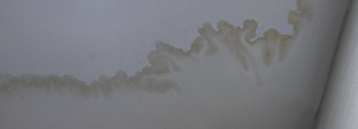
You do not always need an active leak to know something is wrong.
Fall is a good time to look for these clues from the ground and inside the house:
If you see any of these after a fall storm, the roof should be checked before the next heavy rain. Waiting often lets the moisture spread.


Roof water damage is rarely limited to the roof surface.
Water that reaches the decking can:
In many cases the original opening is small—a few inches of failed flashing or a short section of lifted shingles. The damage underneath grows because the water keeps finding a path. That is why an early look is usually less expensive than waiting for visible interior damage.
A few practical steps can lower the chance of water getting in during the rest of the season:
These steps do not replace a professional inspection. They simply reduce the amount of water that reaches weak spots.
If you have already seen signs of moisture, or if a fall storm left the roof looking different, a free inspection gives you a clear picture without obligation. Whitaker Roofing Company checks the exterior, looks at flashings and penetrations, reviews gutter performance, and examines the attic when access is available. Photos and a straightforward explanation show what is happening and whether a repair will solve it.
Many fall-related issues can be addressed with targeted work:
If the damage is more widespread, the inspection will show that as well. Whitaker Roofing Company handles leak repair, storm damage, shingle replacement, and full roof replacements when a limited repair is no longer enough. Completed work is backed by a 5-year workmanship guarantee on our services.
Act before the next storm
Fall weather in Georgia, Alabama, and Tennessee is unpredictable. One dry week can be followed by days of rain. Roof water damage is easiest to limit when it is found early. A free inspection and a clear plan cost nothing and can prevent a much larger repair later.
If you have noticed stains, dampness, overflowing gutters, or missing shingles after recent storms, call 678-252-6110 or visit wrcroofing.com to schedule a free roof inspection. Whitaker Roofing Company serves homeowners across Georgia, Alabama, and Tennessee from local offices and can help you address roof water damage before it spreads.
The goal is simple: keep water outside where it belongs and stop small openings from turning into bigger problems this fall.
ROOF WATER DAMAGE Whitaker Roofing Company 28 October 2026 Roof Water Damage: How fall storms turn small openings into bigger problems “Roof water damage is…
ROOF MAINTENANCE CHECKLIST Whitaker Roofing Company 26 October 2025 Roof Maintenance Checklist: A Simple Guide for Roof Care “You do not need to walk a…
FREE ROOF ESTIMATES Whitaker Roofing Company 30 September, 2026 Free Roof Estimates: How to read the number before you approve any roofing work “A clear…
Interested in safeguarding your home with a no-cost roof inspection and assessment?

Whitaker Roofing Company offers expert residential and commercial roofing services in Georgia, Tennessee, and Alabama. Specializing in roof inspections, repairs, and replacements, we ensure your roof’s durability and protection.
Trust our experienced team for quality workmanship and customer satisfaction. Contact us today to secure your roof’s longevity.