

“One of the easiest ways to create problems is to start repairs before the damage is documented.”
A roof insurance claim usually starts after a storm, not after a sales pitch. Hail hits. Wind lifts shingles. A limb punches a hole. Then the real work begins: proving what happened, showing what it did to the roof, and getting a fair scope of repair. Whitaker Roofing Company helps homeowners in Georgia, Alabama, and Tennessee through that middle stretch — the part between “something is wrong” and “the work is approved.” This is not a policy lecture. It is a practical look at how a claim actually moves once you pick up the phone.
A storm roof insurance claim usually starts after a storm, not after a sales pitch. Hail hits. Wind lifts shingles. A limb punches a hole. Then the real work begins: proving what happened, showing what it did to the roof, and getting a fair scope of repair. Whitaker Roofing Company helps homeowners in Georgia, Alabama, and Tennessee through that middle stretch — the part between “something is wrong” and “the work is approved.” This is not a policy lecture. It is a practical look at how a claim actually moves once you pick up the phone.
The first 48 hours matter more than the paperwork.
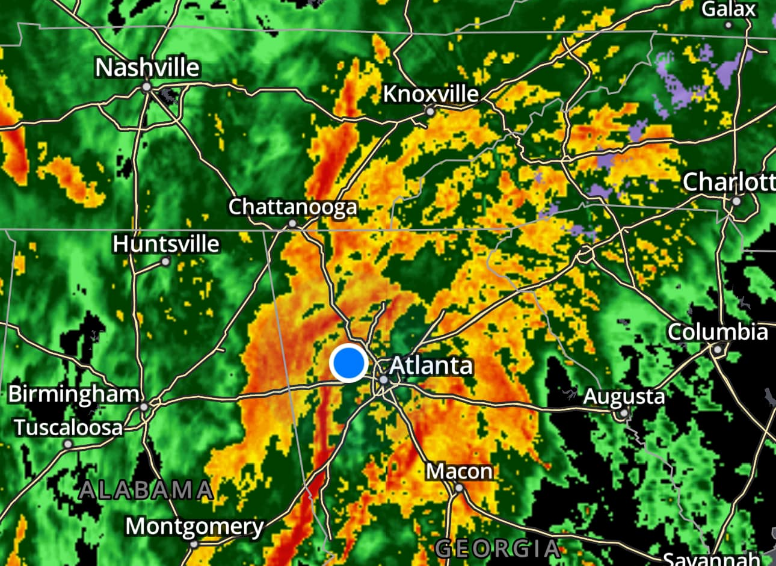
Most claims are won or lost before the adjuster ever parks in the driveway. Insurance companies look for a sudden event tied to a date. The stronger that date is, the cleaner the file.
Do these things first:
Do not climb a steep or wet roof to get those pictures. A free inspection can document the high and hard-to-reach areas safely. Also keep the story simple. “The roof started leaking after last night’s storm” is useful. “It has been leaking for years” can send the claim toward wear-and-tear, even if a storm made it worse.
Once you report the loss, your insurer opens a claim number and assigns an adjuster. That person is not your contractor. Their job is to inspect, interpret the policy, and write an estimate based on what they see and what the policy allows.That is why a roof insurance claim often feels like two inspections:
Whitaker Roofing Company starts with a free inspection and a written look at the damage. We photograph the roof, note storm-related issues, and explain what a repair would involve versus a larger scope. You can use that information when you speak with the adjuster. You still own the claim. We help you understand what the roof actually needs.
What the adjuster is looking for:
Adjusters usually sort damage into a few buckets:
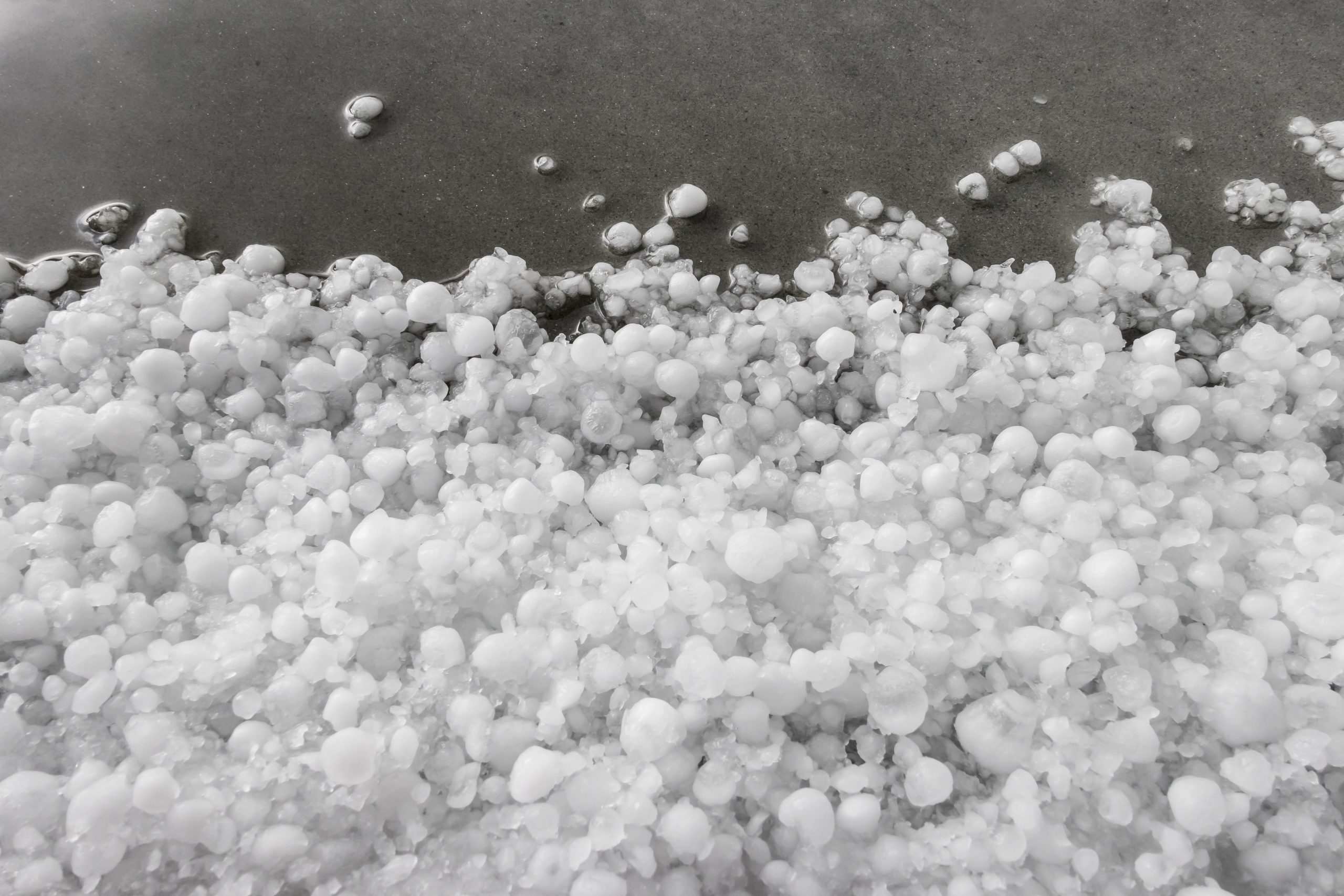
The key phrase is functional damage. A bruise that breaks the shingle mat, a lifted tab that can let water in, torn flashing, or a puncture from a limb is easier to support than a faint mark with no effect on the roof’s job. This is also where many files stall. An adjuster may see three damaged shingles and write a small repair. A full slope may have matching impact marks, granule loss, or wind creases that only show up on a closer look. Extra documentation does not guarantee a bigger payout. It does make it harder for the file to close too early.
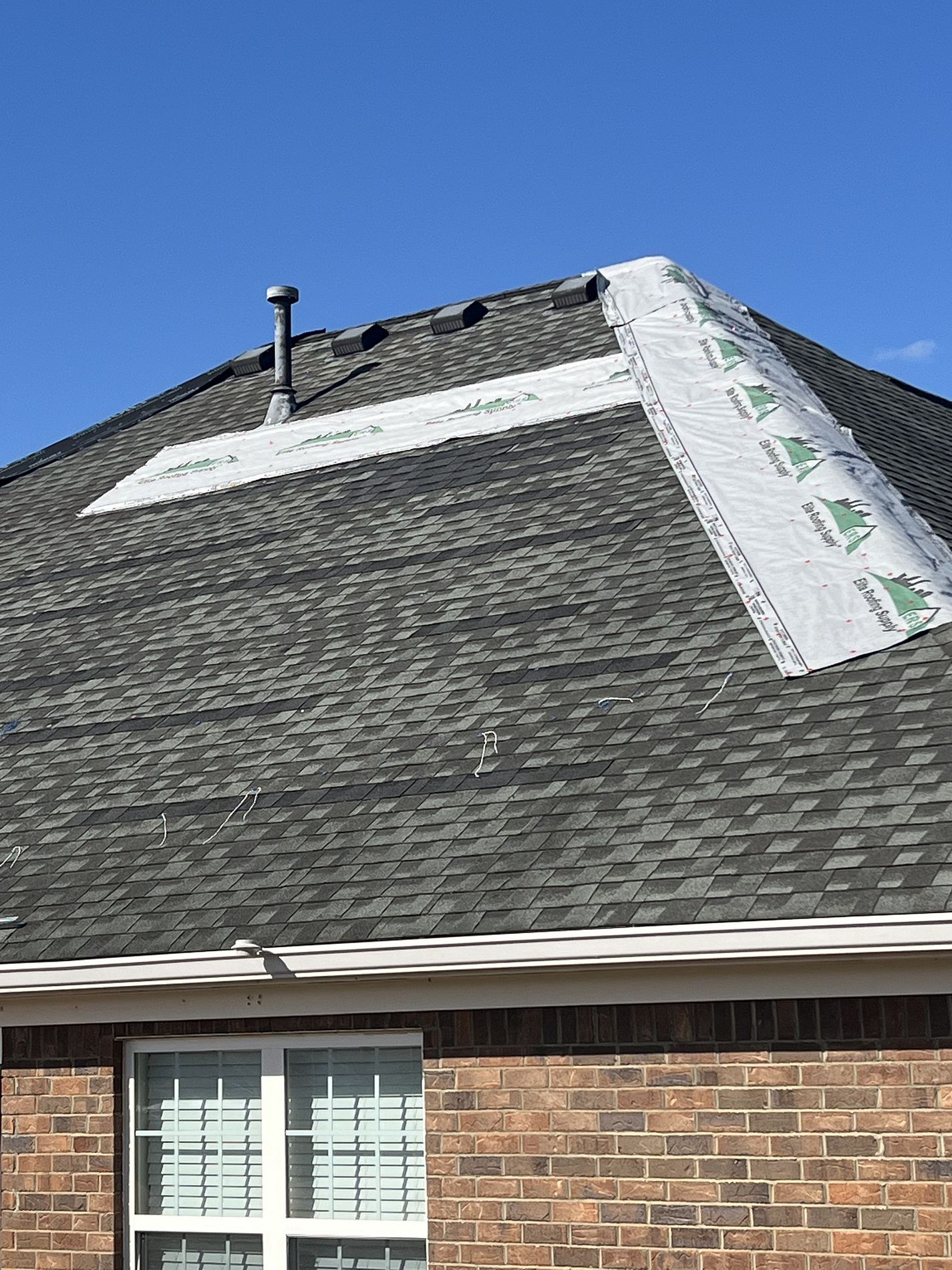
A roof insurance claim does not automatically mean a new roof. Some claims correctly end in a repair: replace the damaged shingles, reseal a pipe boot, fix a section of flashing, and move on. A larger scope is more likely when:
Whitaker Roofing Company does both repairs and replacements. That matters on a claim. If a limited repair is the honest answer, that is what we recommend. If the damage is broader, we explain why a repair would not restore the roof.
After the first offer:
The first estimate from the insurer is a starting point, not a final verdict. Read it line by line. Look for:
If the numbers look light, do not argue from memory. Use dated photos, the inspection notes, and a clear list of what was left out. Some files need a second look. Some need extra documentation. In more difficult cases, homeowners also work with a public adjuster. Whitaker Roofing Company can help you understand those options and, when needed, connect you with claim support.
One of the easiest ways to create problems is to start repairs before the damage is documented. Temporary protection is different. If water is coming in, cover the area and keep receipts. Permanent repairs should wait until the loss has been photographed and reported. When the claim is approved, the job should match the approved scope. If hidden decking damage shows up after tear-off, that is a new fact for the file, not a surprise to bury. Good claim work and good roofing work follow the same rule: write down what you find. We back completed work with a 5-year guarantee on our services. The insurance payment covers the loss. The installation still has to perform.
If a storm already came through and you are not sure where the claim stands, use this order:
Conclusion
Whitaker Roofing Company offers free inspections and written estimates for roof repair and replacement across Georgia, Alabama, and Tennessee. If you need help making sense of a roof insurance claim, call 678-252-6110 or visit wrcroofing.com. The goal is not a bigger file. The goal is a roof that keeps water out, with a claim that reflects the damage that is actually there.
STORM ROOF INSURANCE CLAIM Whitaker Roofing Company 26 September, 2026 Storm Roof Insurance Claim: What to expect after the storm, before the check arrives “One…
FREE ESTIMATE FOR ROOF REPAIR Whitaker Roofing Company 25 September, 2026 Free Estimate for Roof Repair: What You’ll Get Before Any Work Starts “The cost…
ROOFING DOUGLASVILLE GA Whitaker Roofing Company 28 August 2026 Roofing Douglasville GA: Trusted Local Service for Homes Across Douglas County “Being part of the community…
We’re confident we can help get your denied repair claims overturned.

Whitaker Roofing Company offers expert residential and commercial roofing services in Georgia, Tennessee, and Alabama. Specializing in roof inspections, repairs, and replacements, we ensure your roof’s durability and protection.
Trust our experienced team for quality workmanship and customer satisfaction. Contact us today to secure your roof’s longevity.