
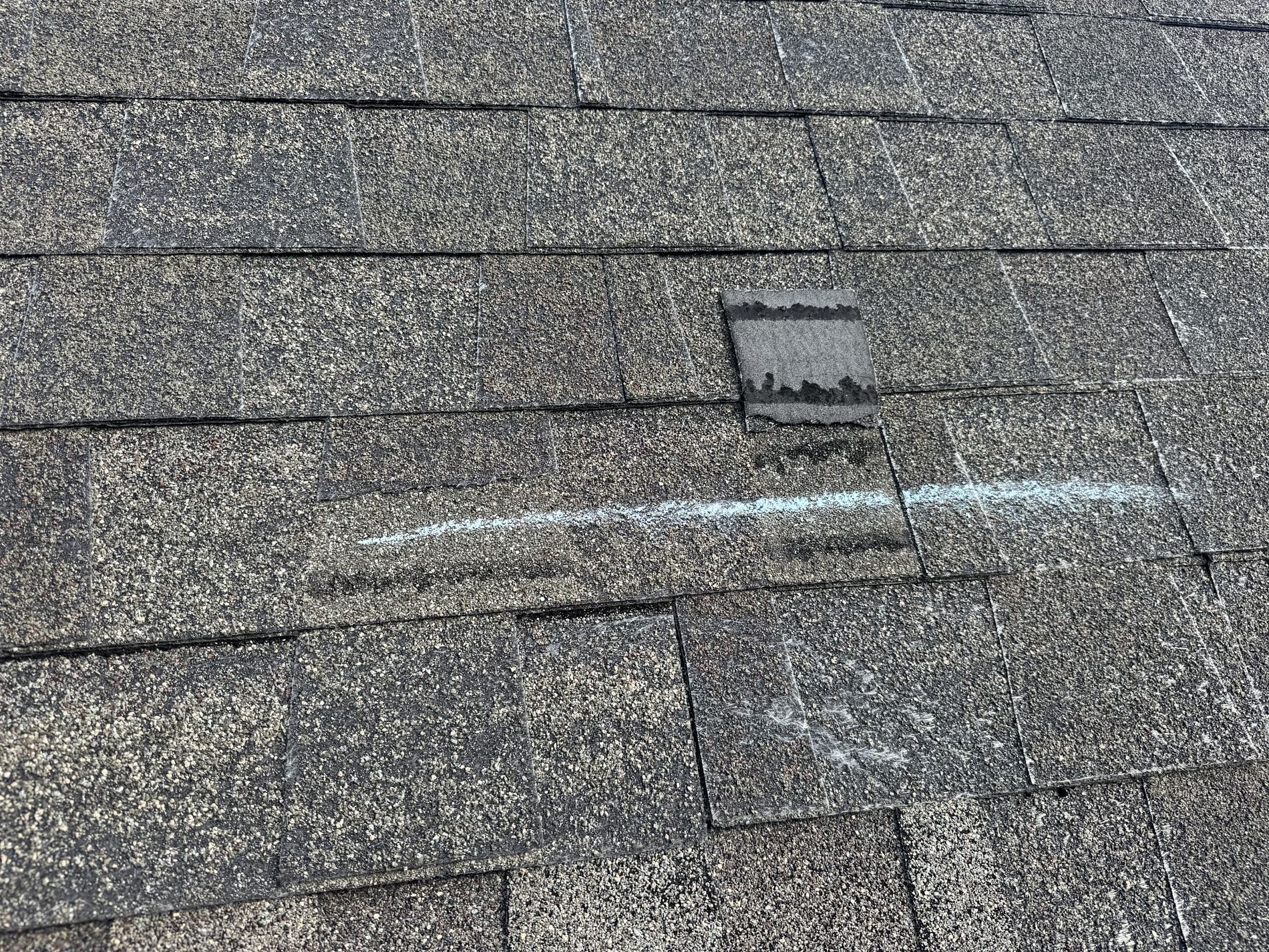
“Roof wind damage often starts small and grows quietly. The earlier you catch it, the less expensive and disruptive the fix usually is.“
Wind can be surprisingly destructive to a roof, even when it doesn’t feel like a major storm. In Georgia, Alabama, and Tennessee, we see roof wind damage more often than most people realize — sometimes from gusts as “mild” as 50–60 mph. At Whitaker Roofing Company, we’ve been helping homeowners deal with wind-related roof issues since 2017. In this post, we’ll walk through what roof wind damage actually looks like, why it can be sneaky, and the smartest steps to take once you suspect it.
Wind doesn’t always rip roofs apart in dramatic fashion. Often it works more quietly:
The tricky part? Many of these issues don’t cause an immediate leak. Water may not show up inside for weeks or months — but by then the damage underneath can be much worse.
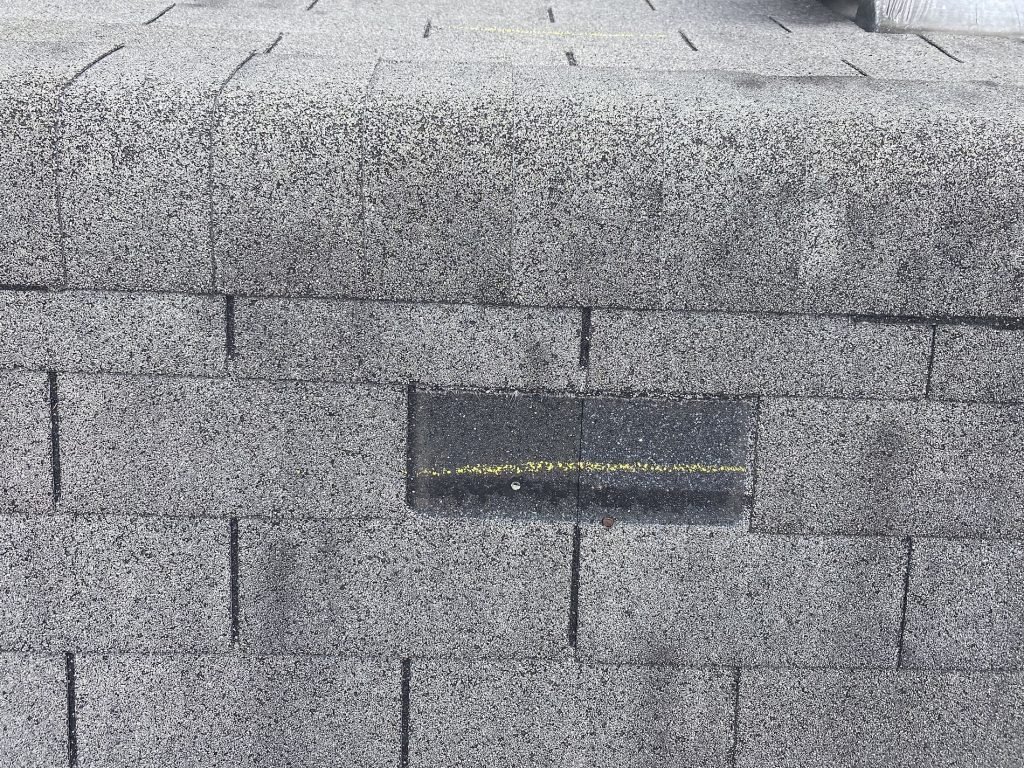
You don’t need to climb on the roof to spot early warning signs:
If you notice any of these after a windy period, it’s worth getting a closer look.
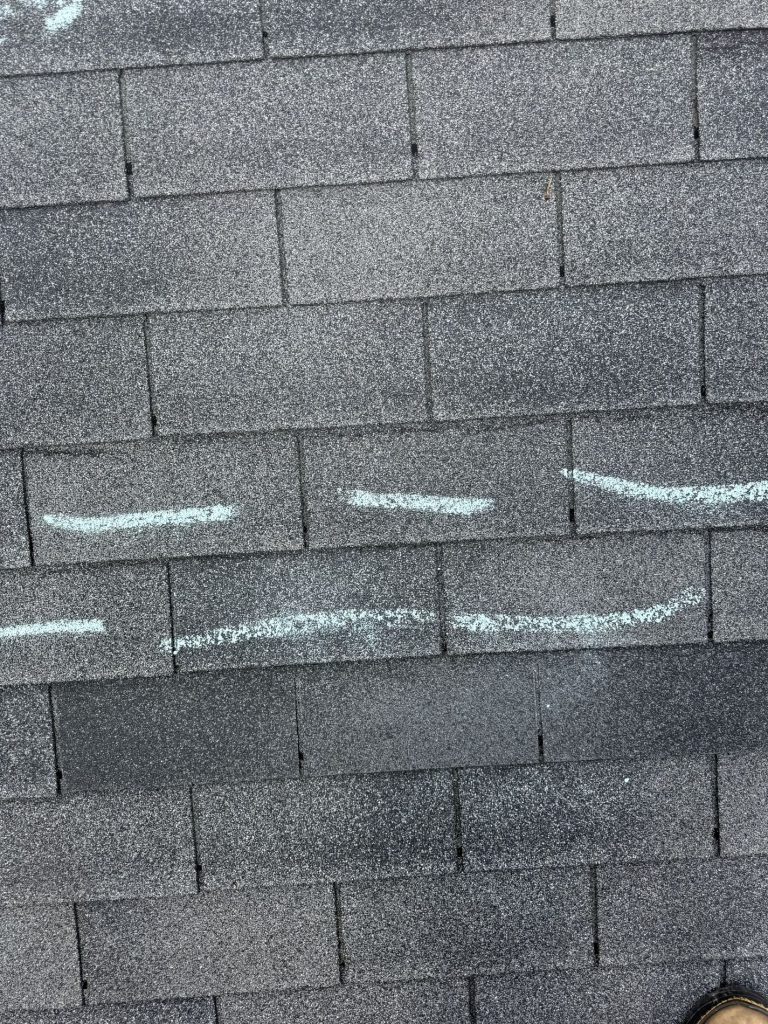
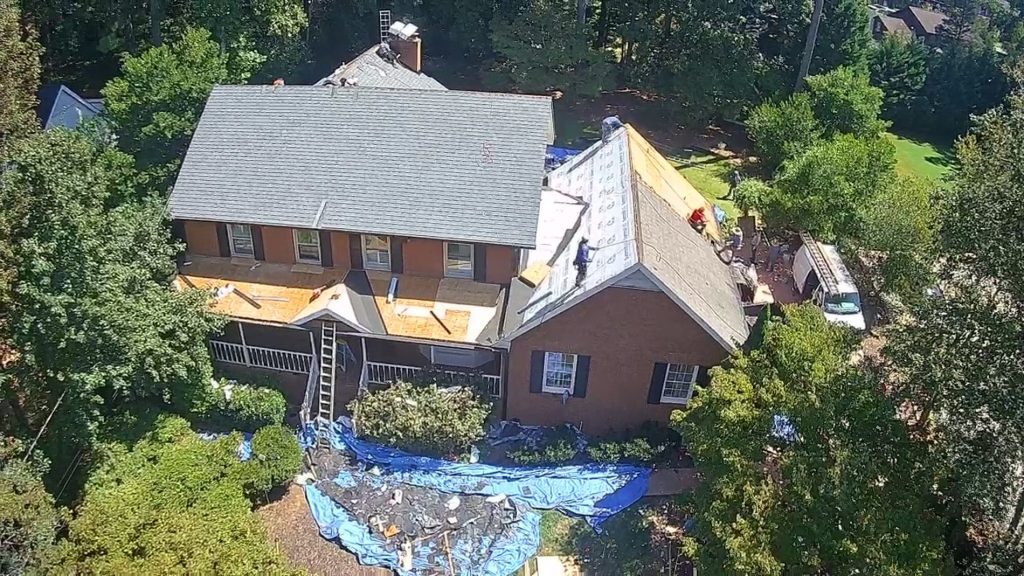
Since 2017, we’ve been the local team homeowners call when wind causes trouble. Here’s what sets us apart:
Final Tip
Roof wind damage often starts small and grows quietly. The earlier you catch it, the less expensive and disruptive the fix usually is. If you’ve had strong winds recently or notice any of the signs above, don’t wait for the next rain to test your roof.
Call or text us at 678-252-6110 or visit wrcroofing.com. We offer free roof inspections and honest advice — no pressure, just help when you need it.
ROOF MAINTENANCE CHECKLIST Whitaker Roofing Company 26 October 2025 Roof Maintenance Checklist: A Simple Guide for Roof Care “You do not need to walk a…
FREE ROOF ESTIMATES Whitaker Roofing Company 30 September, 2026 Free Roof Estimates: How to read the number before you approve any roofing work “A clear…
FREE ROOF INSPECTION Whitaker Roofing Company 28 September 2026 Free Roof Inspection: What a no-cost look at your roof can tell you before a leak…
Interested in safeguarding your home with a no-cost roof inspection and assessment?
Whitaker Roofing Company offers expert residential and commercial roofing services in Georgia, Tennessee, and Alabama. Specializing in roof inspections, repairs, and replacements, we ensure your roof’s durability and protection.
Trust our experienced team for quality workmanship and customer satisfaction. Contact us today to secure your roof’s longevity.