
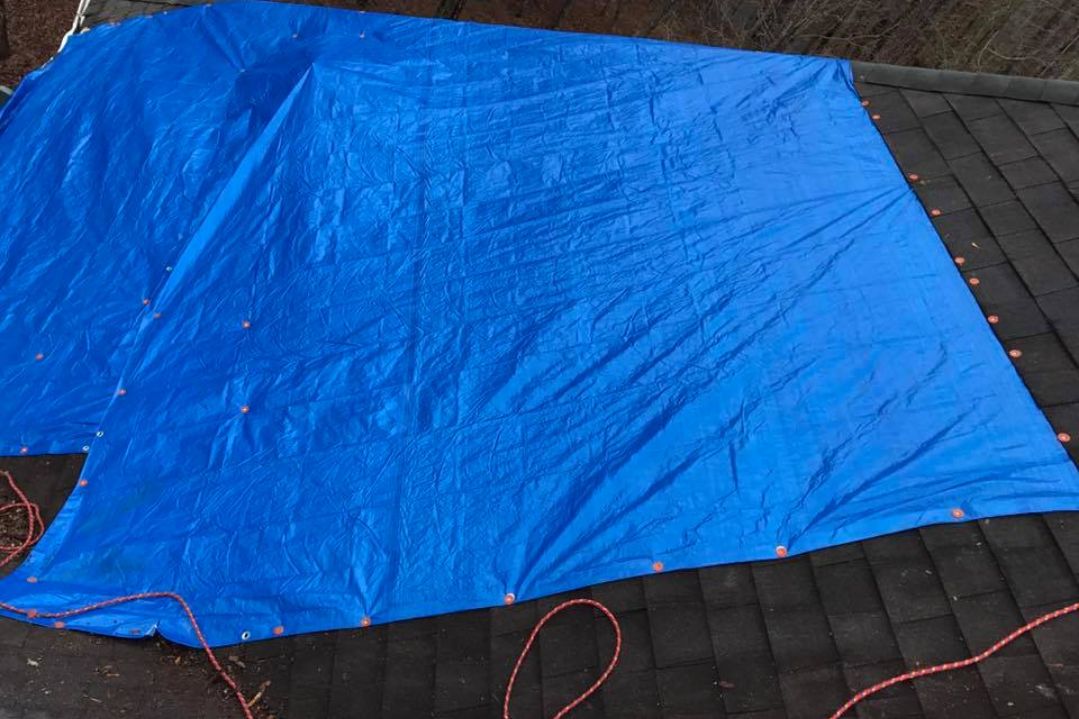
“Most denials or underpayments happen because of timing, weak evidence, or adjusters classifying everything as “wear and tear.”
A roof insurance claim can feel overwhelming — especially when you’re already dealing with leaks, missing shingles, or storm damage. The good news is that most standard homeowners policies do cover sudden roof damage from covered perils (hail, wind, falling trees, lightning). The bad news is that insurance companies frequently pay far less than they should — or deny claims altogether.
Since 2017 Whitaker Roofing Company has helped hundreds of homeowners in Georgia, Alabama, and Tennessee turn “partial payment” or “denied” into full (or near-full) replacement approvals. Here’s the straightforward, 2026 reality of how roof insurance claims actually work — and what you can do to improve your odds.
Usually covered (when sudden & documented):
Almost never covered (or very difficult):
The line insurance adjusters love to draw is “sudden vs. gradual” — and most denied claims fall on the “gradual” side unless you have strong evidence of a specific storm event.
Mistake: Waiting too long to file and/or not documenting immediately after the storm.
Why it hurts: Many policies contain “prompt notice” language. Waiting 6–12 months weakens your position and makes it easier for the adjuster to say “this is wear and tear, not sudden damage.”
What to do instead (day-of checklist):

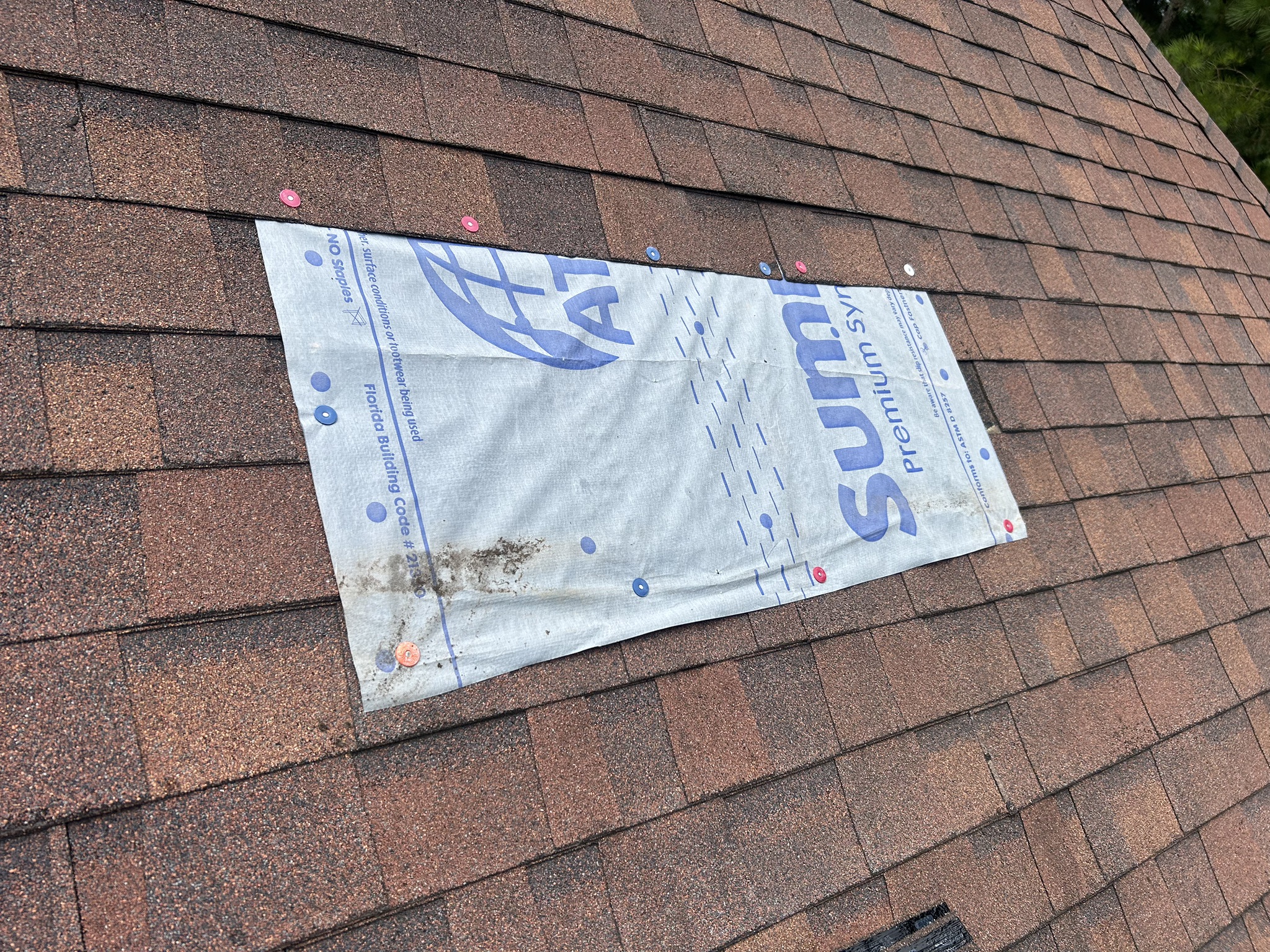
Normal timeline: Adjuster comes out 7–30 days after filing (faster after big storms).
What they should do:
Red flags that often lead to low offers or denials:
If you see any of these, politely request a supervisor review or second adjuster.

This is where most claims are lost — and where we help the most.
Common low-ball outcomes:
What usually changes the outcome:
We’ve successfully overturned many “cosmetic only” or partial-slope denials into full replacement approvals — often by providing exactly the evidence the first adjuster missed or ignored.
Ask yourself:
If you answered yes to any of these → it is usually worth getting a second professional opinion before accepting a low offer or denial.
Bottom line
Homeowners insurance can pay for roof replacement — but only when the damage is sudden, from a covered peril, and properly documented. Most denials or underpayments happen because of timing, weak evidence, or adjusters classifying everything as “wear and tear.”
If you’ve had recent hail, wind or storm damage and feel the offer is too low (or the claim was denied), reach out. We offer free second-opinion inspections and have helped many homeowners turn partial payments into complete roof replacements.
Call or text 678-252-6110 or visit https://wrcroofing.com to schedule.
ROOF INSURANCE CLAIM Whitaker Roofing Company 27 March, 2026 Roof Insurance Claim: How to Get Your Roof Replacement (or Repair) Covered “Most denials or underpayments…
ROOF AND GUTTER MAINTENANCE Whitaker Roofing Company 20 MARCH, 2026 Roof and Gutter Maintenance: The Simple Seasonal Routine That Saves Thousands “Roof and gutter maintenance…
DOES HOMEOWNERS INSURANCE COVER ROOF LEAKS? Whitaker Roofing Company 13 March, 2026 Does homeowners insurance cover roof leaks? “Homeowners insurance can pay for roof leaks…
We’re confident we can help get your denied repair claims overturned.

Whitaker Roofing Company offers expert residential and commercial roofing services in Georgia, Tennessee, and Alabama. Specializing in roof inspections, repairs, and replacements, we ensure your roof’s durability and protection.
Trust our experienced team for quality workmanship and customer satisfaction. Contact us today to secure your roof’s longevity.