
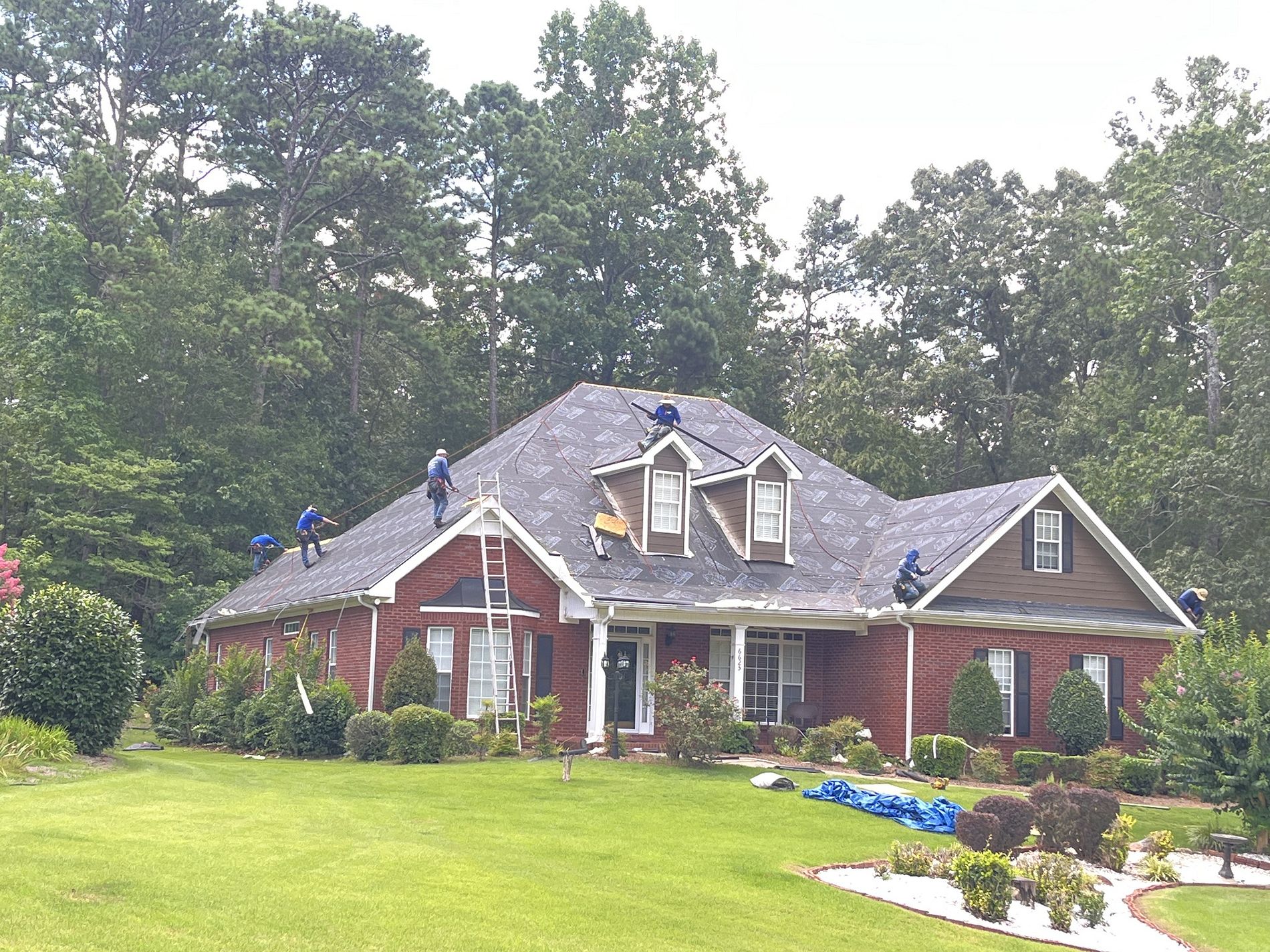
“Insurance companies approve full replacements far less often than they should, and that’s where homeowners frequently need help.”
If your roof has taken a beating from storms, hail, high winds or fallen trees, you’re probably wondering: “Can my insurance actually cover a full roof replacement?”
The short answer is yes—in many cases it can, but the process is rarely automatic. Insurance companies approve full replacements far less often than they should, and that’s where homeowners frequently need help.
We’ve been assisting Georgia, Alabama and Tennessee homeowners with insurance roof claims since 2017. Below is a realistic, step-by-step explanation of how the process actually works and what increases your chances of getting a full replacement approved.
Most standard homeowners policies (HO-3) include “Replacement Cost” coverage for the roof, but the key word is covered peril.
Common covered perils that can trigger a full replacement:
Not covered (or very hard to get approved):
Quick tip: Pull out your declarations page and look for the words “Replacement Cost” next to “Dwelling” coverage. If it says “Actual Cash Value” instead, the insurer can deduct depreciation—even when the damage is clearly from a covered event.
Take date-stamped photos and videos right after the event:
Pro move: Walk the yard and driveway—hail often leaves evidence on cars, fences, AC units, or patio furniture. Insurance adjusters use this as corroboration.
Important wording to avoid early in the process:
These innocent-sounding statements can give the adjuster ammunition to deny or underpay.

Red flags during the adjuster visit:
If any of these happen, politely request a second look or supervisory review.
This is where most homeowners stop—and lose thousands. Common low-ball tactics:
What we do as your advocate:
We’ve successfully overturned many “cosmetic only” or partial-slope denials into full replacement approvals.
Ask yourself these questions:
If you answered yes to any of these, it is usually worth getting a second professional opinion before accepting a low offer.
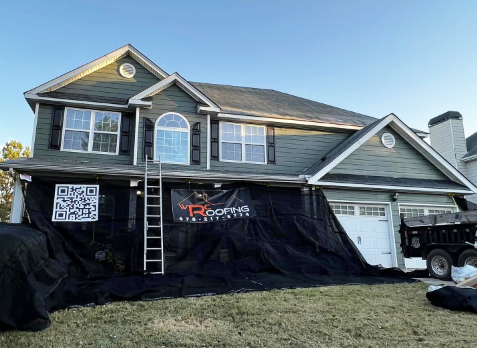
Final thought
Insurance is supposed to make you whole after a covered loss—not leave you with a patchwork roof and a fraction of what you paid in premiums. The difference between a $3,000 check and a full replacement often comes down to proper documentation, the right wording, and someone who knows how to push back effectively.
If you’ve had recent hail, wind or storm damage and feel the insurance offer is too low (or the claim was denied), reach out. We offer free second opinions and have helped many homeowners turn partial payments into complete roof replacements.
Call or text us at 678-252-6110 or visit https://wrcroofing.com to schedule a free inspection.
We’re here to help you get the roof—and the claim settlement—you deserve.
ROOF INSURANCE CLAIM Whitaker Roofing Company 27 March, 2026 Roof Insurance Claim: How to Get Your Roof Replacement (or Repair) Covered “Most denials or underpayments…
ROOF AND GUTTER MAINTENANCE Whitaker Roofing Company 20 MARCH, 2026 Roof and Gutter Maintenance: The Simple Seasonal Routine That Saves Thousands “Roof and gutter maintenance…
DOES HOMEOWNERS INSURANCE COVER ROOF LEAKS? Whitaker Roofing Company 13 March, 2026 Does homeowners insurance cover roof leaks? “Homeowners insurance can pay for roof leaks…
We’re confident we can help get your denied repair claims overturned.
Whitaker Roofing Company offers expert residential and commercial roofing services in Georgia, Tennessee, and Alabama. Specializing in roof inspections, repairs, and replacements, we ensure your roof’s durability and protection.
Trust our experienced team for quality workmanship and customer satisfaction. Contact us today to secure your roof’s longevity.