
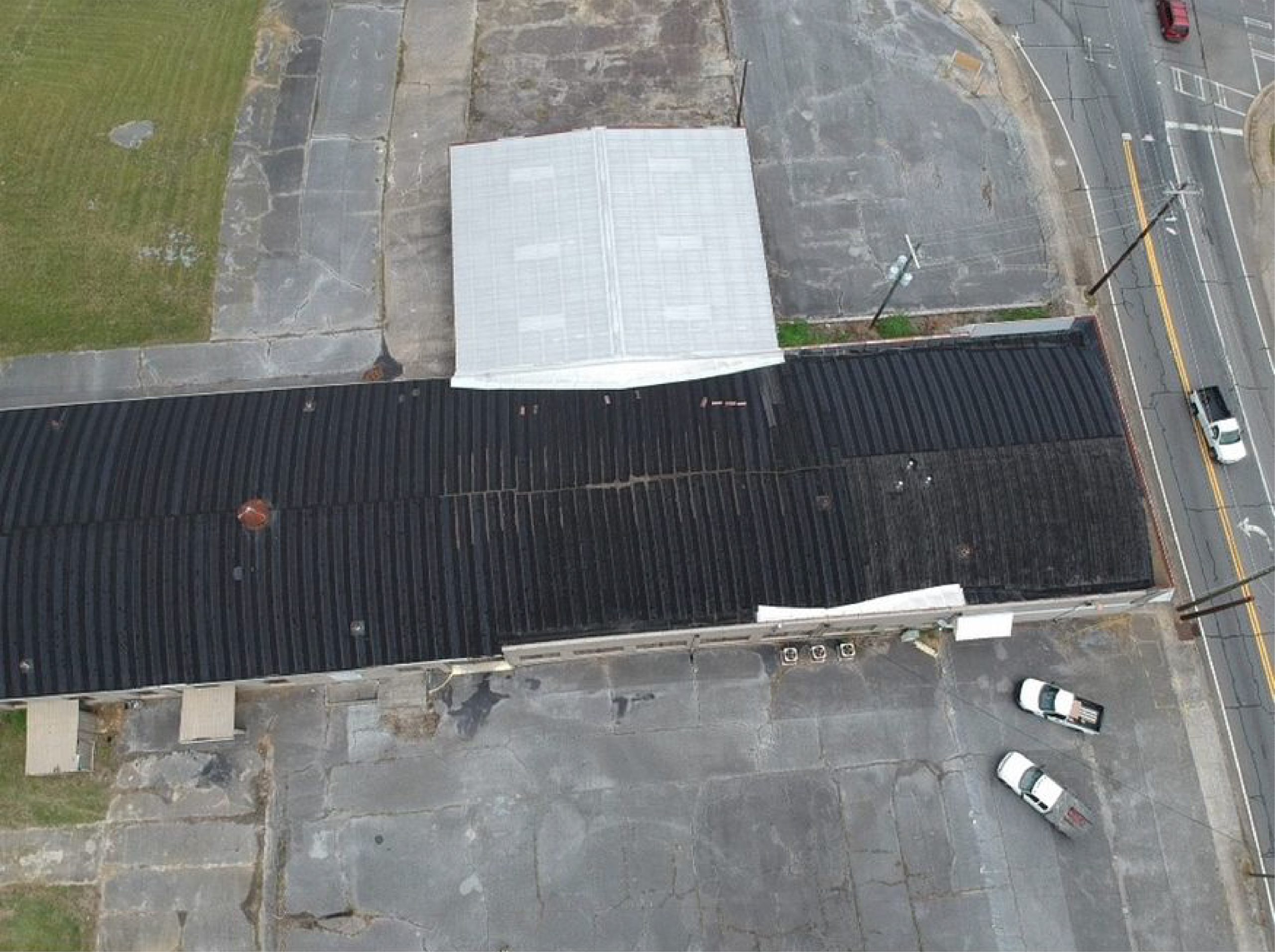
“A commercial roof inspection isn’t a “nice-to-have” — it’s one of the highest-ROI maintenance tasks you can do. “
If you own or manage a commercial property in Georgia, Alabama, or Tennessee, you already know one truth: a roof problem doesn’t quietly wait for a convenient time to show up. Leaks appear during peak business hours, HVAC strain spikes utility bills, and one small undetected issue can quietly grow into a six-figure headache.
A proactive commercial roof inspection is the single most effective way to stay ahead of those surprises.
Residential roofs usually get replaced every 20–35 years. Commercial roofs (especially low-slope and flat systems) are expected to last longer — often 20–50 years depending on the membrane — but they also face heavier use:
Because the consequences are magnified, the inspection cadence and depth should be too.
Building Type /Use Case
Recommended Inspection Cadence
Why this frequency?
Office, retail, light industrial
Spring + Fall (2× per year)
Catches seasonal wear before winter ice or summer heat
Manufacturing, warehouse, distribution
Quarterly (4× per year)
Heavy HVAC traffic + larger roof area = faster wear
Schools, hospitals, government buildings
After every major storm + 2× scheduled
Minimal downtime tolerance + public safety concerns
High-value contents or 24/7 operations
Monthly visual + professional 2–4×/year
Even minor leaks can cause major business interruption
Many of our clients start with twice-yearly inspections and move to quarterly once we identify any chronic moisture or drainage concerns.
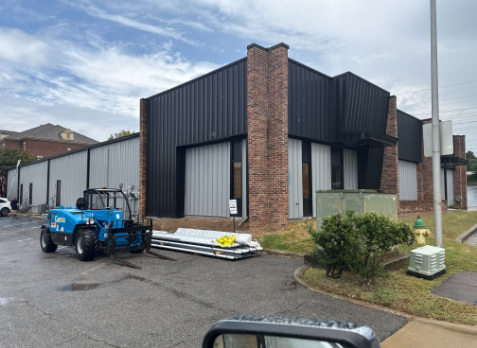
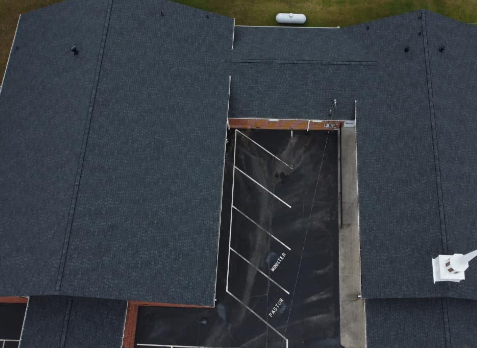
A thorough inspection goes far beyond walking the roof and saying “looks okay.”
Exterior / membrane level
Interior / below-deck checks
Ancillary items
We document everything with timestamped photos and drone footage when helpful, then deliver a clear report with prioritized recommendations.
Catching these early usually means hundreds or thousands in savings versus emergency repairs.
A commercial roof inspection isn’t a “nice-to-have” — it’s one of the highest-ROI maintenance tasks you can do. The earlier you find ponding, seam issues, or drainage problems, the cheaper and less disruptive the fix.
If you manage property in Georgia, Alabama, or Tennessee and can’t remember the last time your roof was professionally inspected, let’s fix that. Call or text 678-252-6110 or visit https://wrcroofing.com/roof-inspection-wrc/ to schedule a no-cost commercial roof inspection. We’ll give you the real condition report — no sales pressure, just the facts you need to protect your building and your bottom line.
ROOF INSURANCE CLAIM Whitaker Roofing Company 27 March, 2026 Roof Insurance Claim: How to Get Your Roof Replacement (or Repair) Covered “Most denials or underpayments…
ROOF AND GUTTER MAINTENANCE Whitaker Roofing Company 20 MARCH, 2026 Roof and Gutter Maintenance: The Simple Seasonal Routine That Saves Thousands “Roof and gutter maintenance…
DOES HOMEOWNERS INSURANCE COVER ROOF LEAKS? Whitaker Roofing Company 13 March, 2026 Does homeowners insurance cover roof leaks? “Homeowners insurance can pay for roof leaks…
Interested in safeguarding your home with a no-cost roof inspection and assessment?
Whitaker Roofing Company offers expert residential and commercial roofing services in Georgia, Tennessee, and Alabama. Specializing in roof inspections, repairs, and replacements, we ensure your roof’s durability and protection.
Trust our experienced team for quality workmanship and customer satisfaction. Contact us today to secure your roof’s longevity.